Most buyers meet your home on a screen long before they stand in the hallway. The photos decide who books a viewing and who keeps scrolling, and a handful of avoidable mistakes decide whether those photos work. None of them need a big budget. They need an hour of honest looking and a willingness to move your own life out of the frame for an afternoon.
Here are the ten that come up again and again, and how to put each one right.
A camera flattens a room. Depth disappears, and everything on a worktop crowds forward until the surface looks twice as busy as it does in person. That is why a kitchen that feels homely in real life can look cramped in a photo: kettle, toaster, knife block, fruit bowl, vitamin jars, post, chargers.
The fix is a two-step habit. Empty a surface completely, then add back one or two things on purpose. A single bowl and a plant read as considered. Twelve small objects read as mess. Work through the house room by room and don't stop at waist height — shoes by the door, laundry baskets, pet beds and boxes stacked in a corner all show up in the corners of the frame.
Bedside tables deserve the same treatment: a lamp, a book, nothing else. And if your storage is being photographed, leave a third of each shelf empty so it looks like there's room to spare.
Dark, flat photos are the easiest mistake to fix and the most common. Pull every blind and curtain open, even in rooms you rarely use. Switch on lamps rather than relying on a single ceiling light, which tends to leave harsh pools of light and shadowed corners.
Then check your bulbs. If the hallway glows yellow, the kitchen glows white and the bedroom glows blue, the photos will look patchy no matter how good the camera is. Match them where you can, replace anything that's blown, and give dusty lampshades a wipe.
Two smaller habits make a real difference. Clean the windows — smudged glass photographs grey and dulls the whole room. And turn the flash off. Flash flattens depth, bleaches colour and bounces back off mirrors and glossy surfaces.
Family photos, children's artwork on the fridge, school certificates, medical items, collections, religious pieces, a wall of birthday cards. None of it is wrong. All of it makes it harder for a buyer to imagine their own life in the room.
The same goes for pets. Bowls, beds, litter trays and hair on the sofa say "someone lives here" in a way that quietly puts people off.
This isn't about stripping the house bare. A plant, a bowl of fruit, a folded throw and a few fresh towels add warmth without adding a story. Aim for calm and neutral rather than empty.
Clear the bathroom counter completely, then put back one soap dish or a folded towel. Toothbrushes, shampoo, razors and hairbrushes go in a cupboard for the shoot. In the bedroom, use plain, unwrinkled bedding and hide anything that looks like laundry — a made bed with a couple of cushions photographs far better than a stripped one.
The front of the house is usually the thumbnail, which makes it the most-viewed image in your listing. If it looks tired, plenty of buyers won't click through to see the beautiful kitchen.
Before photo day: mow and edge the lawn, pull weeds from paths and gutters, sweep the drive and doorstep, coil the hose, move the bins out of sight and park the cars down the road. Straighten the doormat, wipe down the front door and check that house numbers, the mailbox and any outdoor lights are clean and intact. A quick wash of the wheelie bin is worth the two minutes it takes.
Time it well, too. Bright overcast light flatters a facade; harsh midday sun throws hard shadows and blows out pale walls. Work out which part of the day your frontage catches soft light and aim for that window.
Good intentions can undo a room. A few of the classics:
And don't try to photograph around problems. Patch the small holes, fix the dripping tap, replace the dead bulbs. Buyers will spot them at the viewing anyway, and photos that don't match the reality cost you trust. If you're using virtual staging on an empty property, keep it honest and say so in the listing — check with your agent about how it should be labelled.
Once the big things are handled, walk through with fresh eyes and look for the clutter that only shows up on screen: cables snaking across the floor, remote controls, phone chargers, fridge magnets, the kitchen bin, a drying rack. Empty the sink. Close the dishwasher and the toilet lid.
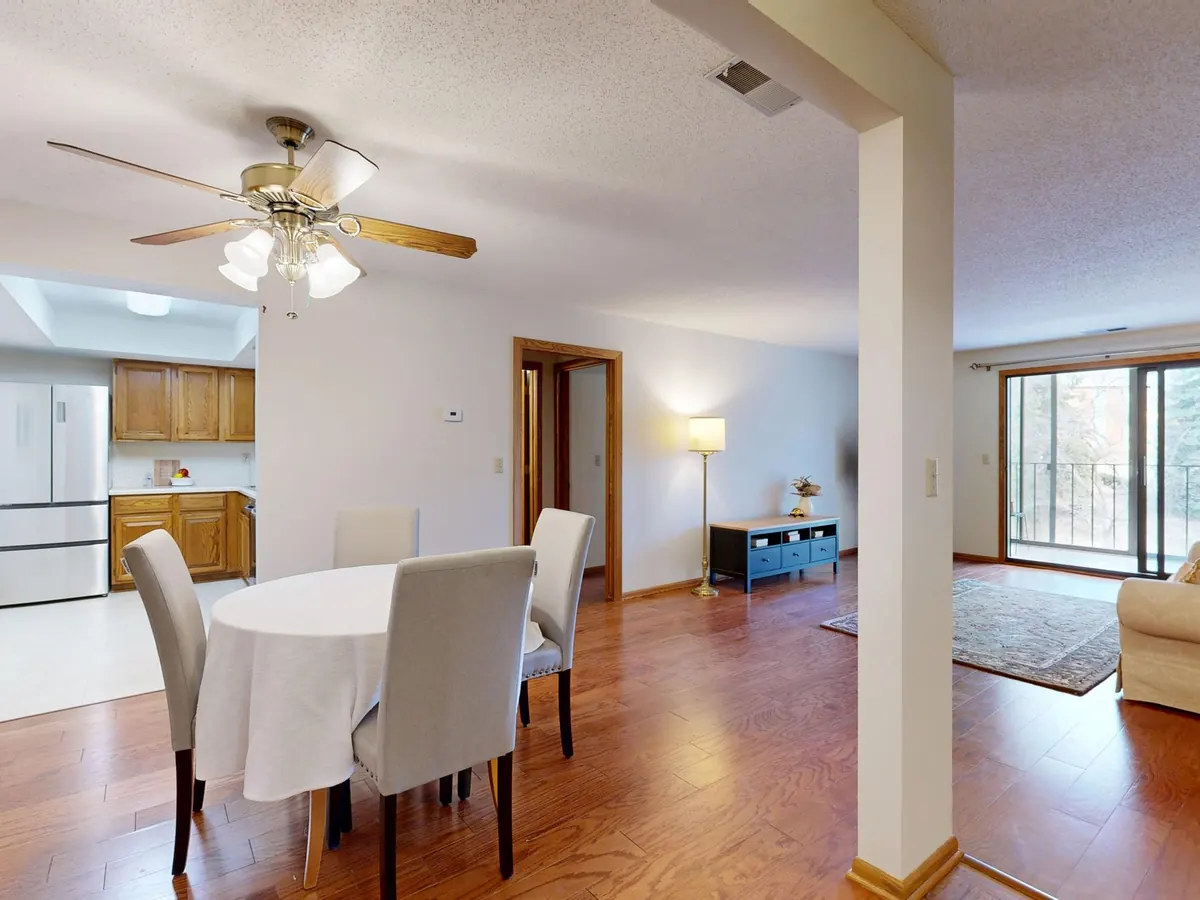
Check the mirrors. Whatever faces a mirror ends up in the photo, including the photographer and your reflection in the glass. Also switch off ceiling fans, which blur into a smear, and hide anything you'd rather a stranger didn't see.
A photographer will move a cushion or straighten a rug, but they can't empty your kitchen or hide your car. That work is yours, and it's the difference between photos that get clicked and photos that get skipped.
If you only manage three things before the camera arrives, do these: clear the surfaces, open the curtains, and get the bins and cars away from the front of the house. Then leave. The best listing photos are taken in a quiet, empty home, with the owner somewhere else entirely.
If you're unsure what's worth fixing, ask your agent for honest feedback on your last set of photos — or walk to the end of your street, turn around and look at your house the way a buyer scrolling on their phone will.
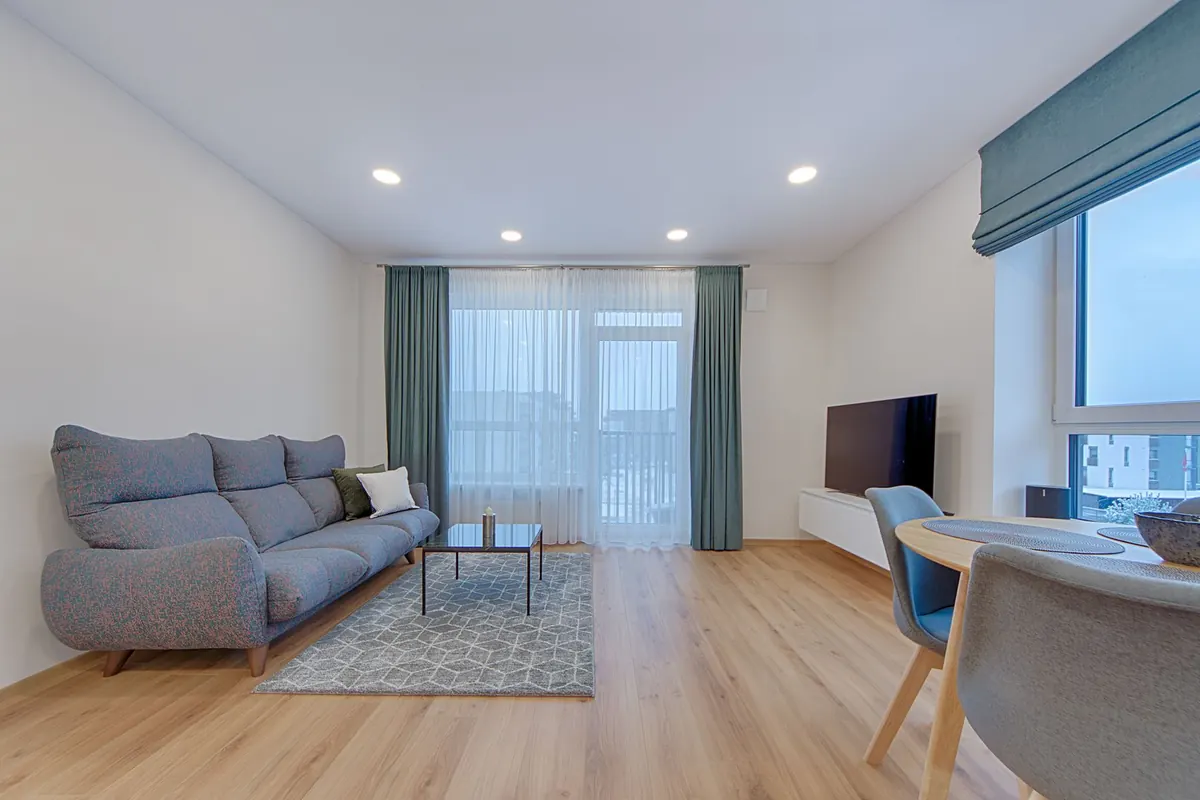
Photo: Viaceslav Kat / Pexels