A buyer scrolling listings at nine on a Tuesday evening gives each property a few seconds before deciding whether to tap. That first impression is almost always a photograph. The virtual tour comes later, once the pictures have earned a second look. So when sellers ask whether a virtual tour or professional photography brings more viewings, the honest answer is that the two formats are answering different questions. One wins the click. The other wins the booking. Getting the balance right depends on your property, your likely buyer and what you are prepared to spend.
Professional photos exist to stop the scroll. On a search results page, buyers are comparing a dozen thumbnails at once, and the lead image does most of that work. A well-lit exterior shot in decent weather, taken at the right time of day, will outperform a technically clever tour every time on click-through.
Beyond the hero shot, good photography sets expectations. Twenty to thirty honest images, sensibly ordered, take a buyer from the front door through the hall, the main living space, the kitchen, the bedrooms and out into the garden. Captions that answer obvious questions — which way the garden faces, what the loft is used for, where the parking is — save everyone a phone call.
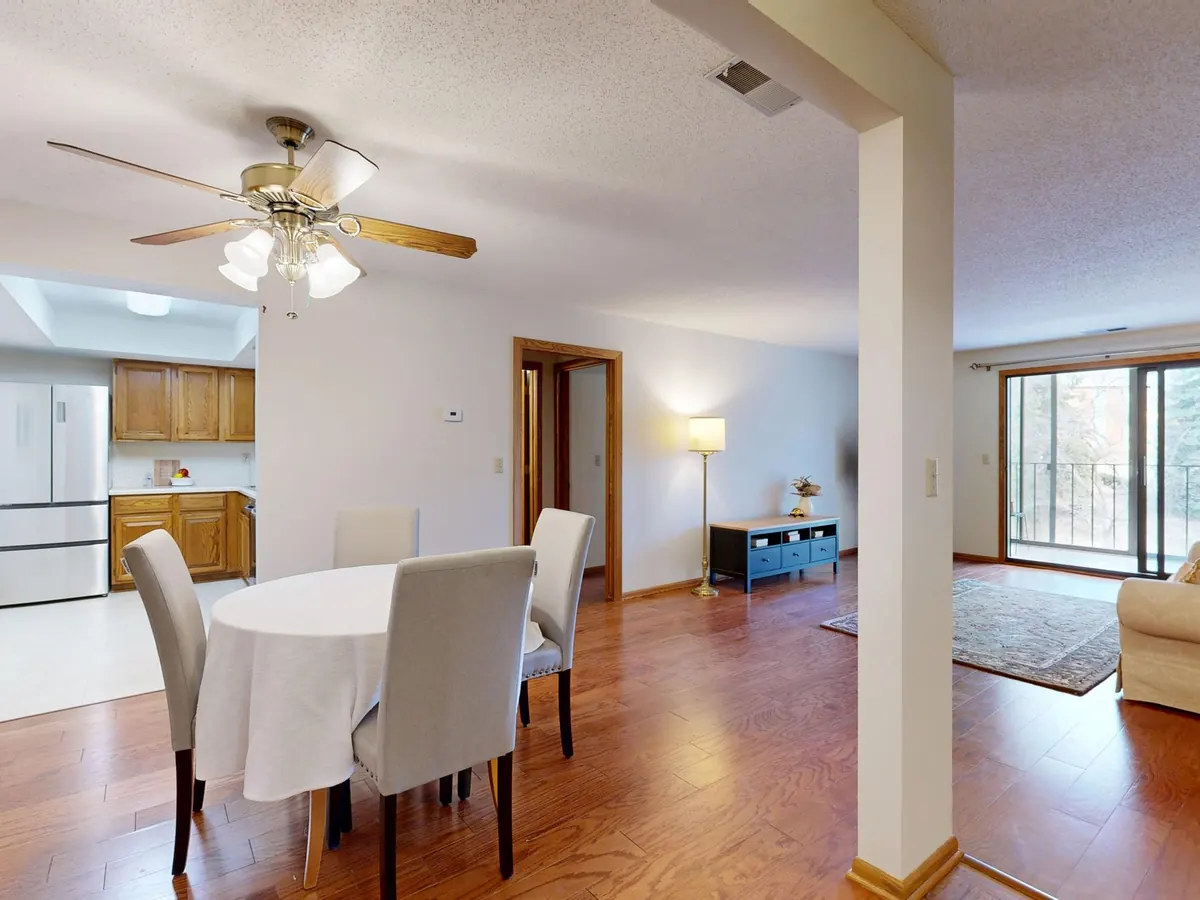
A 360-degree or 3D walkthrough does something photos cannot: it shows how a home flows. Buyers want to know whether the kitchen connects to the dining room, whether the stairs land next to the bathroom door, and whether the third bedroom is a genuine bedroom or a generous cupboard. A tour answers all three in ninety seconds.
That matters most for properties with unusual layouts, extensions, conversions or multiple floors. It also matters for anyone buying from a distance, whether that is a relocation, a move back to the area, or a purchase made largely from a screen.
Photos drive the click. Tours drive the dwell time. A listing with a tour attached tends to hold attention longer, and the enquiries that follow are often further along — people who have already ruled out the deal-breakers and want to talk specifics.
What a tour will not do is rescue poor photography. If the stills are dark, cluttered or oddly angled, the tour link rarely gets opened at all. The order matters: fix the photos first, then consider adding a walkthrough.
One practical tip: put the tour link high up. If it sits at the bottom of a long description, a large share of buyers will never reach it. Mention it in the first couple of lines and, where the portal allows, keep it visible near the top of the listing.
Prices vary widely by region, provider and property size, so ask for a full quote rather than a headline figure. As a rough ranking of what you get for your money:
Expectations are not uniform. A two-bedroom flat on a street of near-identical flats can sell on photos and a floorplan alone; buyers already know what the layout will feel like. A period cottage with low beams, an awkward corridor and a converted outbuilding is a different proposition, and a tour earns its keep there.
Price band matters too. At the upper end of the market, buyers often expect a walkthrough as standard. First-time buyers, by contrast, are frequently more interested in the floorplan and the service charge than in a 3D model.
Landlords should also think about the rental market. Tenants move quickly and often from another city. A tour reduces wasted viewings on both sides and lets you shortlist applicants before anyone travels.
In most cases, the winning listing is not a choice between the two formats but a sensible order of them. Strong exterior in good light, a floorplan appearing early, a logical room-by-room sequence, captions that answer real questions, then the tour for anyone who wants to go deeper.
Keep the two consistent. If the photos look brighter and wider than the walkthrough, buyers notice, and trust drops. Tidy the tour as carefully as you would tidy for a viewing: bins out of shot, surfaces clear, curtains open, toilet lids down, pets and people out of the way.
Finally, host the tour where you control it as well as on the portal. A link from your own site keeps working after the listing comes down, which is useful for landlords with a recurring turnover of tenants.
If you are weighing up marketing spend against other costs, treat it as a budget decision and talk it through with your agent before you commit. The right mix is rarely the most expensive one — it is the one that matches your property to the people most likely to buy it.
Photo: Peter Vang / Pexels